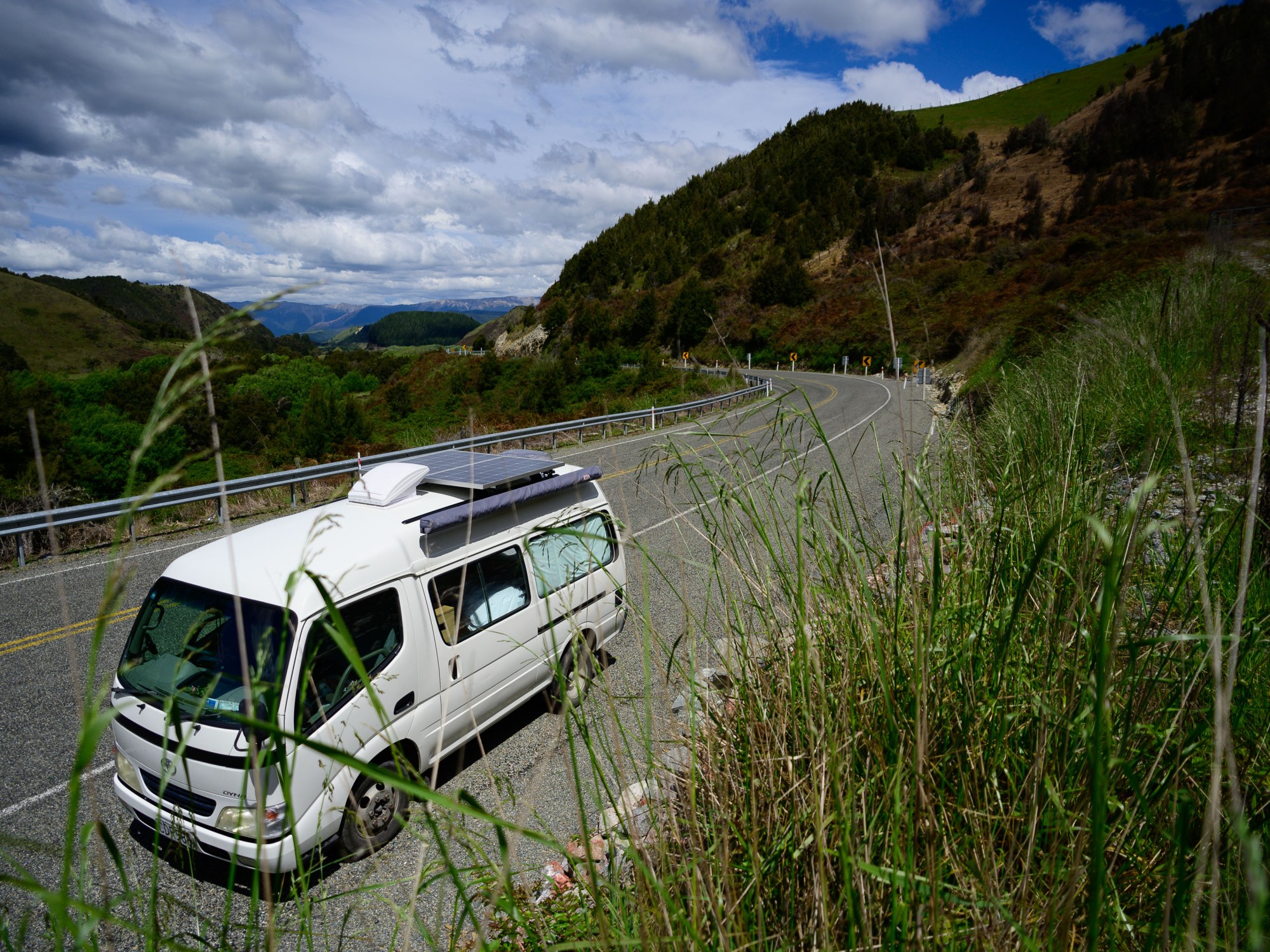
Now this was going to be fun! I’d always wanted to design and build my own solar system, and here was my big opportunity. It wasn’t going to a house-sized system, nor a utility-scale solar farm, so I felt adequately up to the challenge.
I can’t even begin to describe how many hours I spent researching, reading, watching, and basically immersing myself in all things solar. It’s one thing to buy a ready made kit for installation, or perhaps even a Goal Zero, however one of my primary goals with building this van was to learn about these different systems. These options, while so much simpler, would rob me of the learning experience I was so keen to dive into.
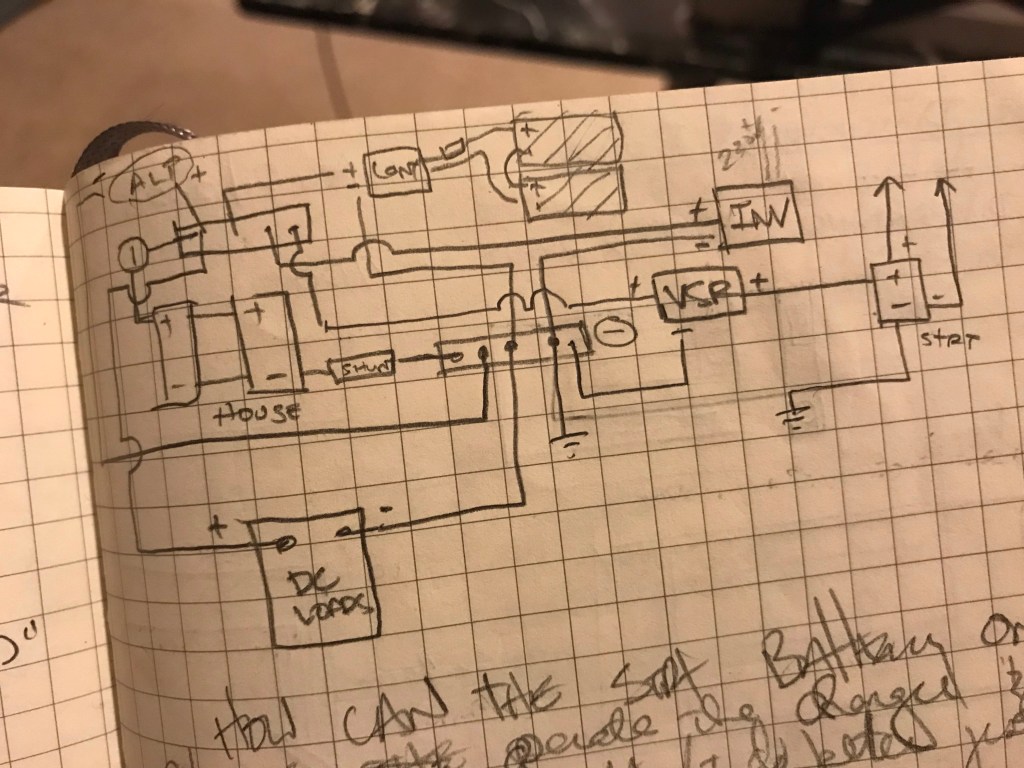
If you’re looking for some useful videos and instructions on designing and installing your own solar system, I’ll supply a few links at the bottom of this post. This is a great one to start on.
Using a solar sizing spreadsheet that I found online (I’d run my own rough numbers, but there does come a time when reinventing the wheel gets tedious) and spec’d out the consumers I expected. Now, summer in the North Island of New Zealand has plenty of sun. Even winter has plenty of sun. I wasn’t worried about that. What did concern me is that I wanted to go skiing in the South Island. Wanaka and Queenstown were calling my name, and I wanted to ensure I’d have adequate electricity to keep my heater, fan, and fridge (silly, when it’s freezing outside…but still) chugging along.
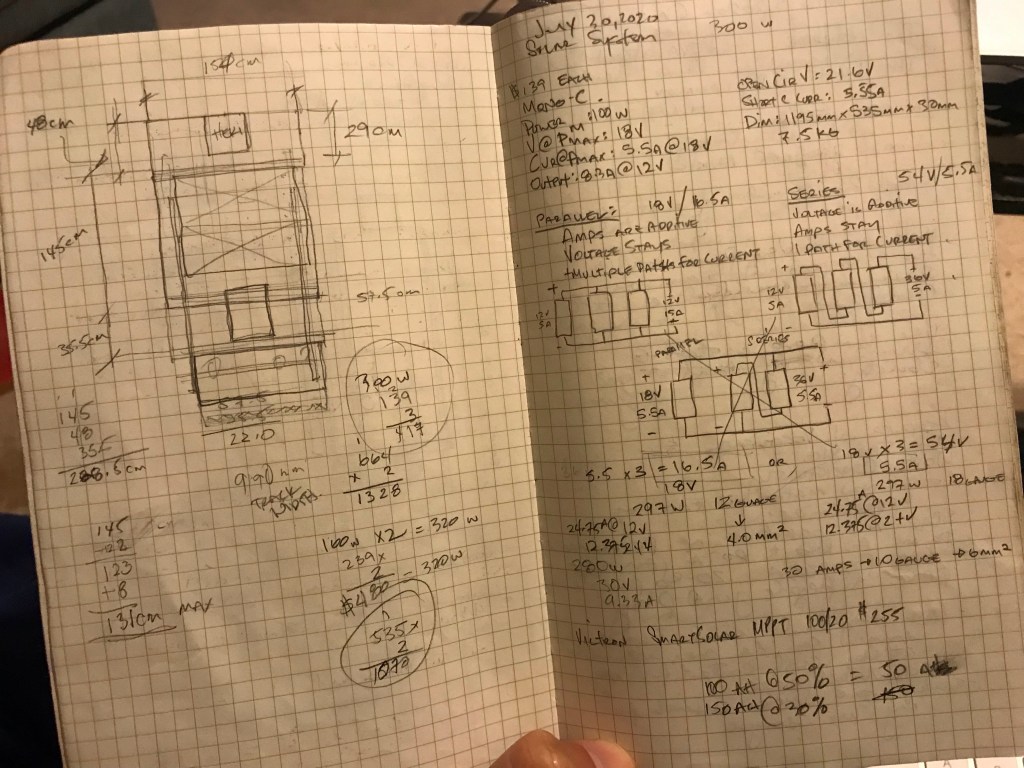
To really size the system for this maximum load (which included having my laptop plugged in and working all day) the spreadsheet suggested 800W of panels and 166Ah of battery storage. Well. This was way bigger than I could manage. Ultimately, I resized based upon not using my laptop all day, and finding the most efficient equipment I could. I would be able to get away with a slightly different configuration. I upsized the battery storage to 240Ah of AGM so that I could store more solar energy, AND, I installed a switchable VSR which would enable me to charge the batteries from the alternator if needed.
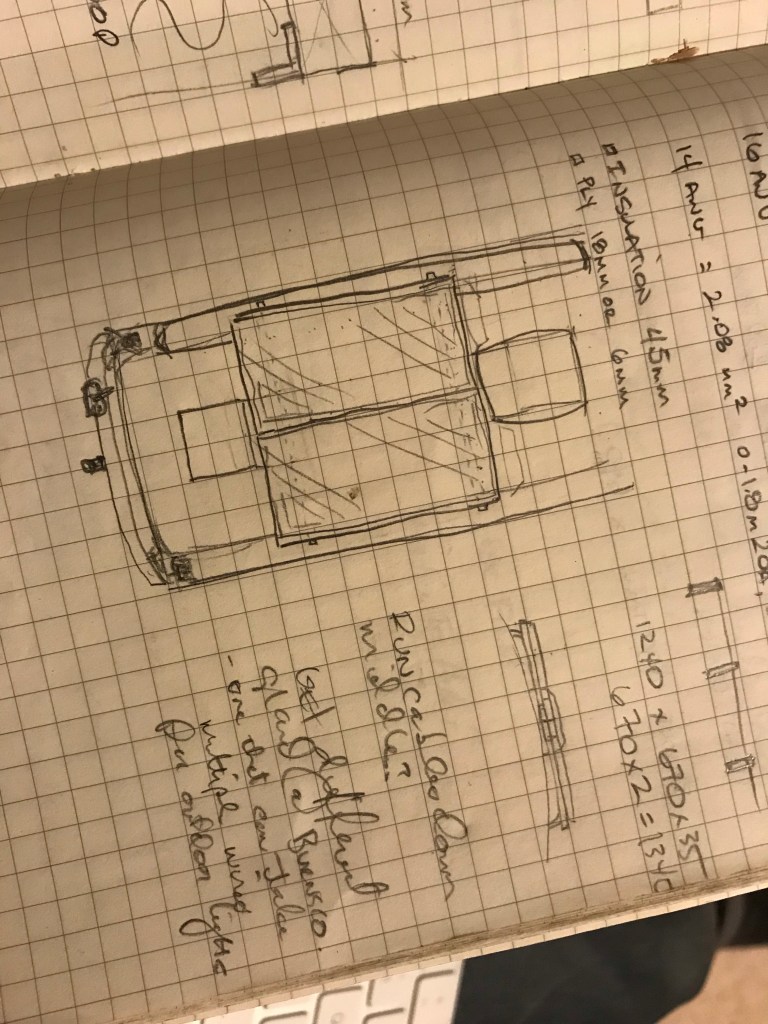
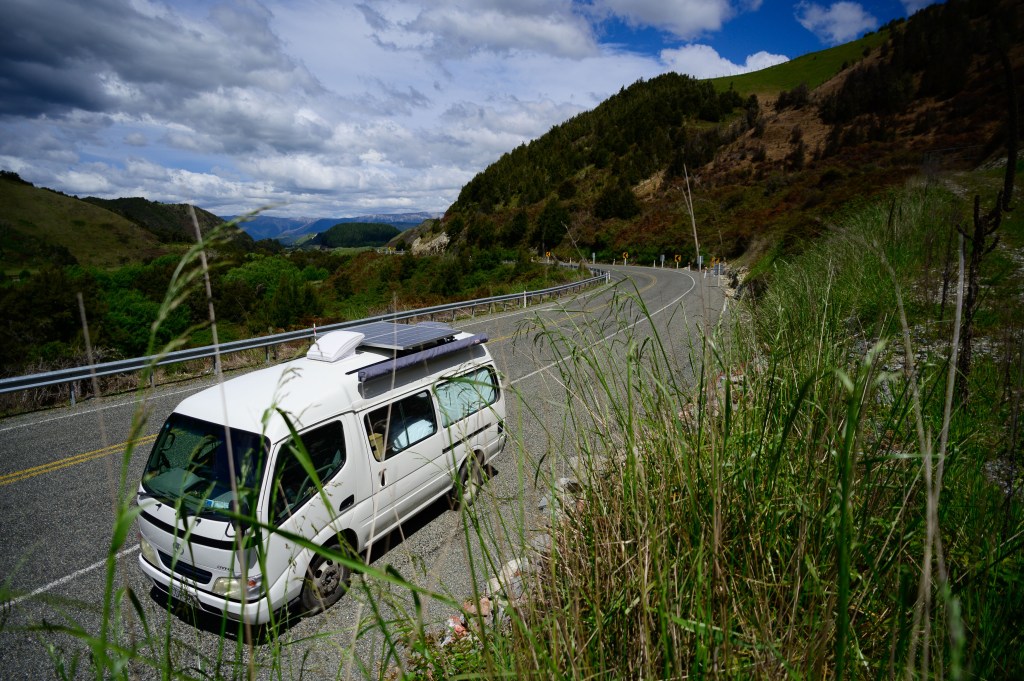
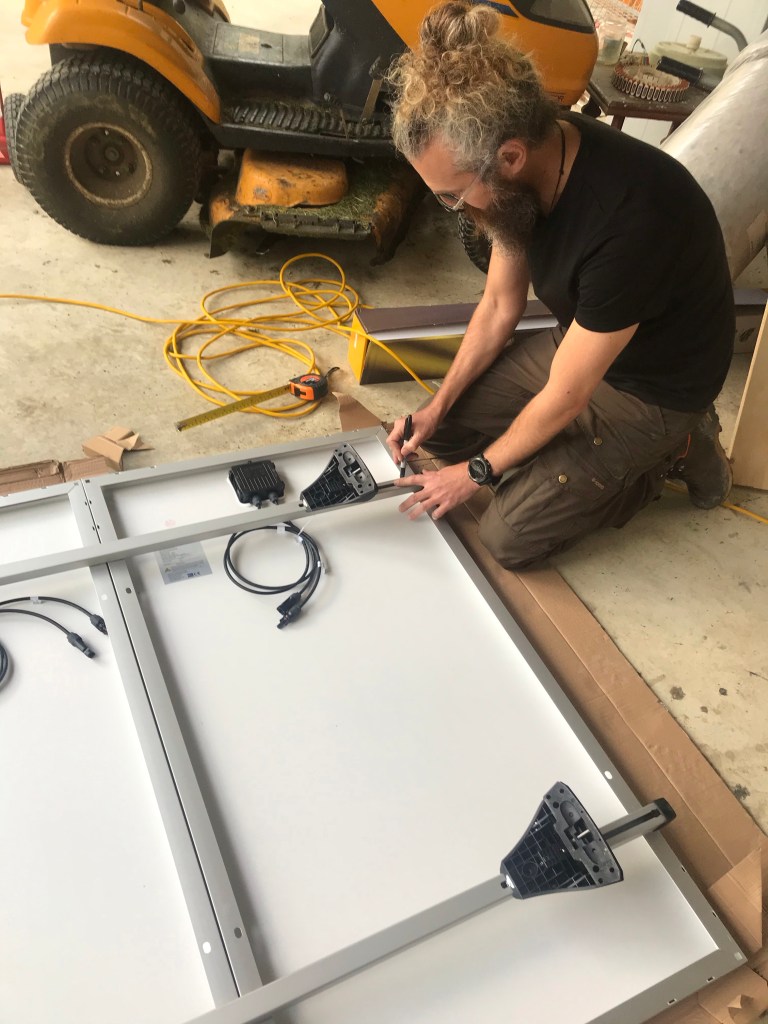
The placement of both vents really determined the size of panels that I could use. I’d thought about mounting one panel in the front, but the constant barage of stones seemed to be a bad environment for glass embedded with silicone. The front vent (MaxxFan Plus) mounted in between two roof support ribs, and the rear vent (Heki Mini) was installed as far back as the roof support structure would allow. This left me with precisely 1260mm of space. Lucky for me, I found 1240mm 150w PERC Monocell panels from AA Solar, just down the street from Vantage RV. Two of those mounted side by side would get my 300W of highly efficient solar power, and still leave me a centimeter front and rear for clearance. It was tight, but also just right. I also purchased cables and fuses from AA Solar.
The two 120Ah Deep Cycle AGM batteries I picked up from Vantage RV. I really appreciated their input on my system as a whole, and just because I wasn’t buying the panels from them (they didn’t have any that fit) I still felt compelled to purchase their high-quality batteries. I didn’t want to skimp on this, as it was going to be my lifeline when I was out in the wild.
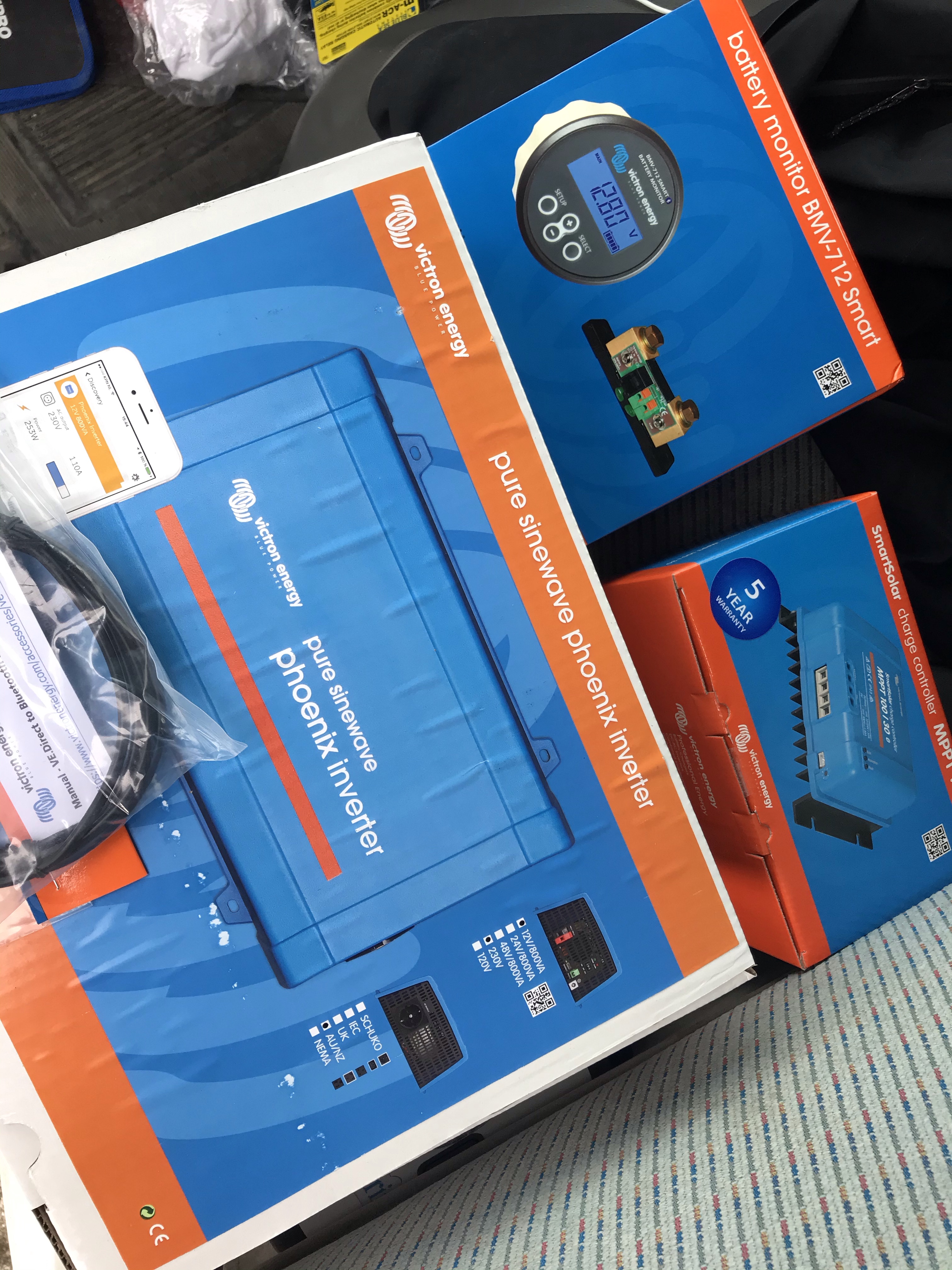
The balance of the system, namely the charge controller, battery monitor, and inverter, all came from AEP Pacific, the NZ distributor of Victron Energy systems. If you like both geeking out on your energy system/knowing as much info as you can, and you’re willing to pay a bit more for it. These systems are top notch. I will absolutely use them again, in any solar installation I do. If you’re looking for the least expensive way to install solar, you’ll have to look elsewhere. Not only can you view current and historic solar production, it’s also possible to view instantaneous consumption, all on my iPhone. This has proven extremely useful in debugging a few problems that arose along the way. Namely a faulty glow plug in my diesel heater, and loose wiring at the outset of my journey.
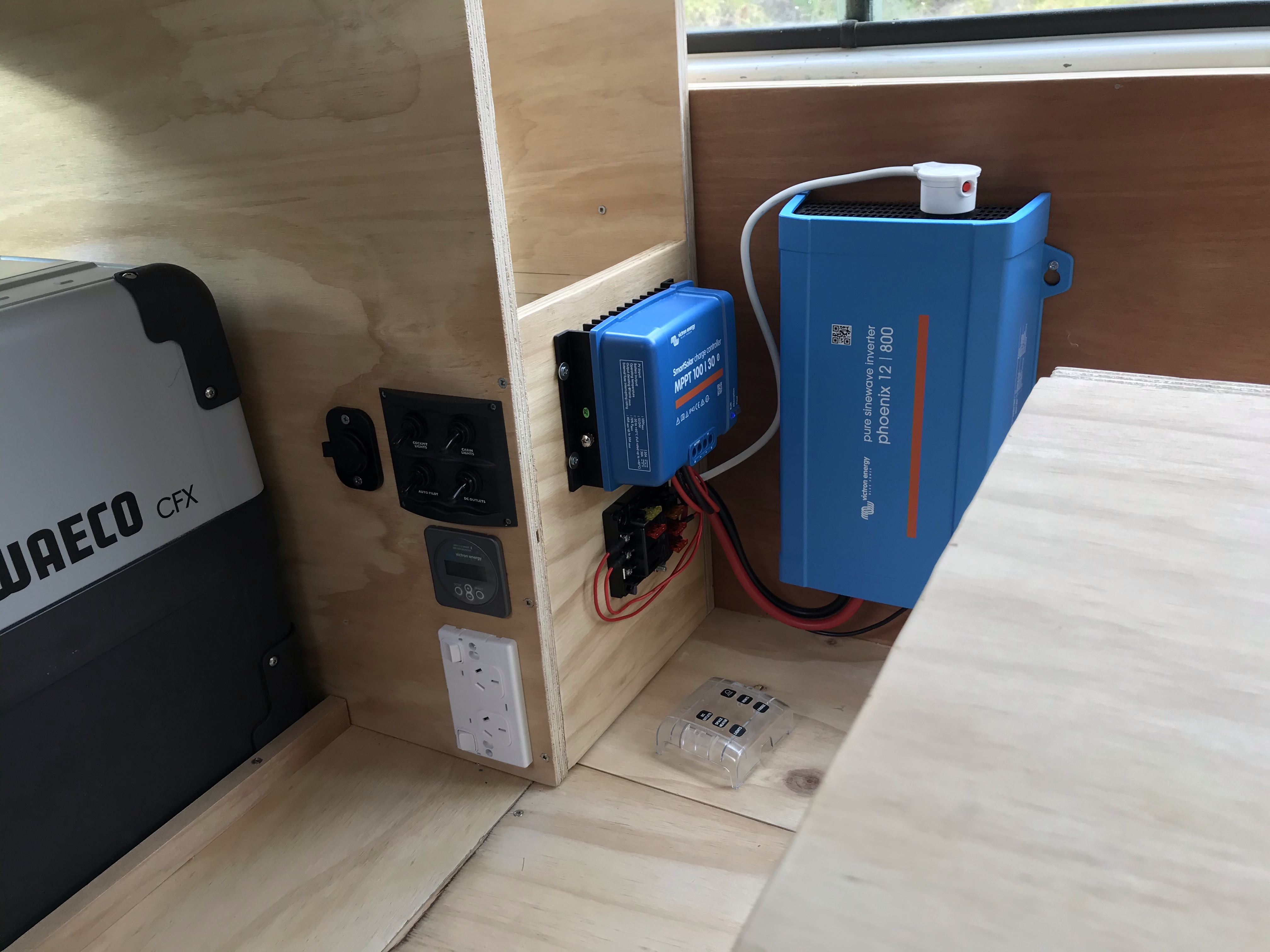
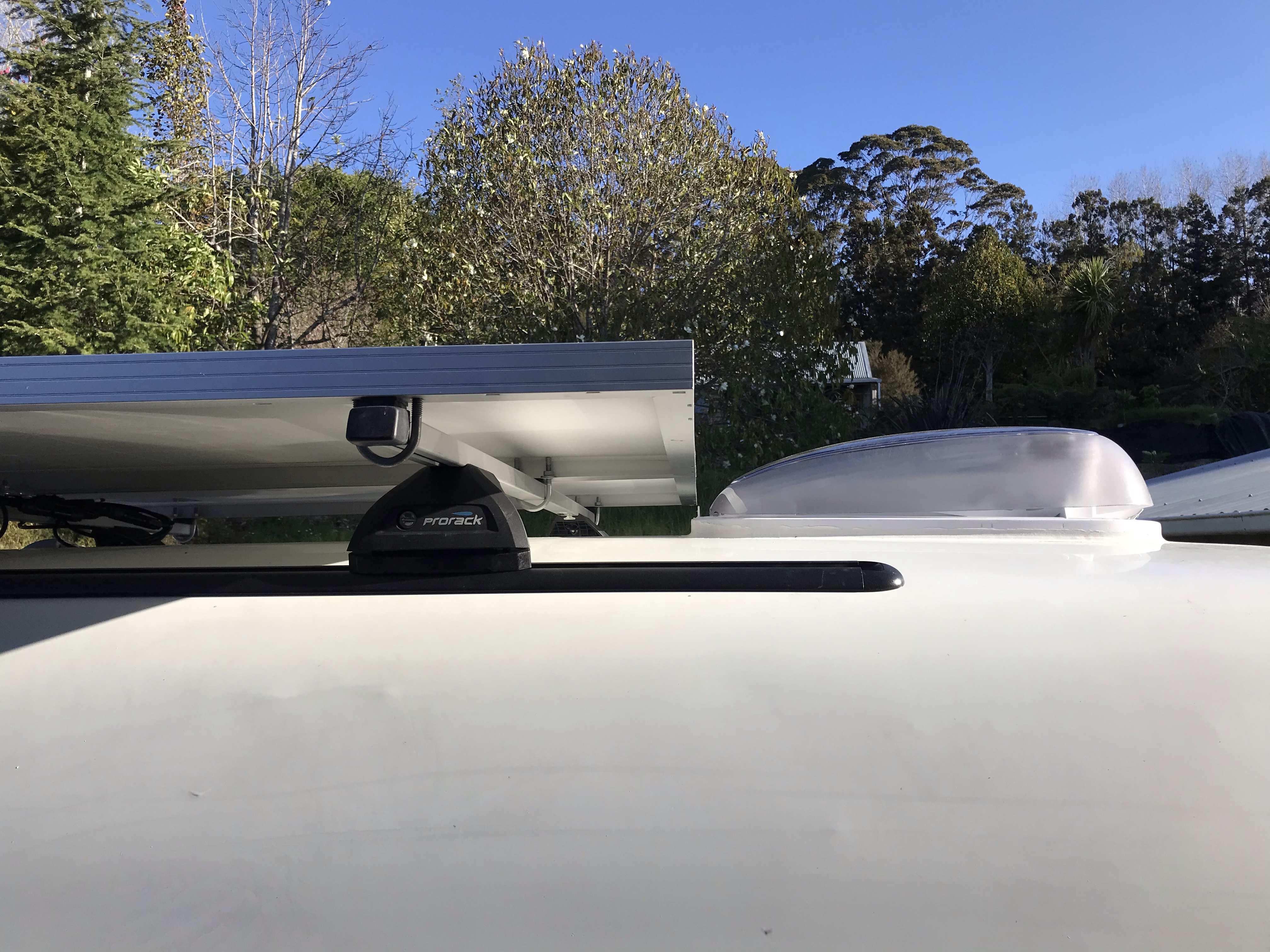
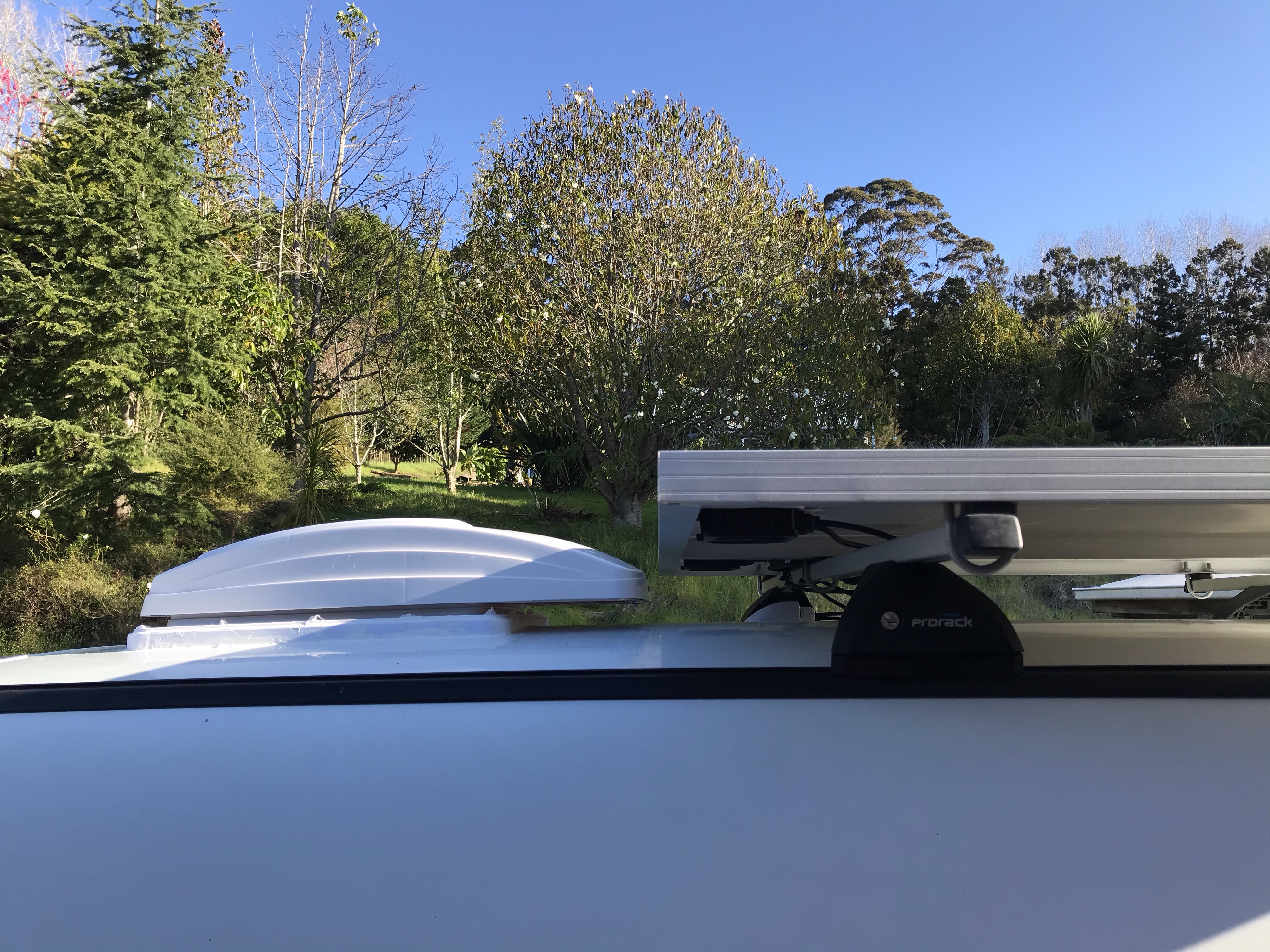
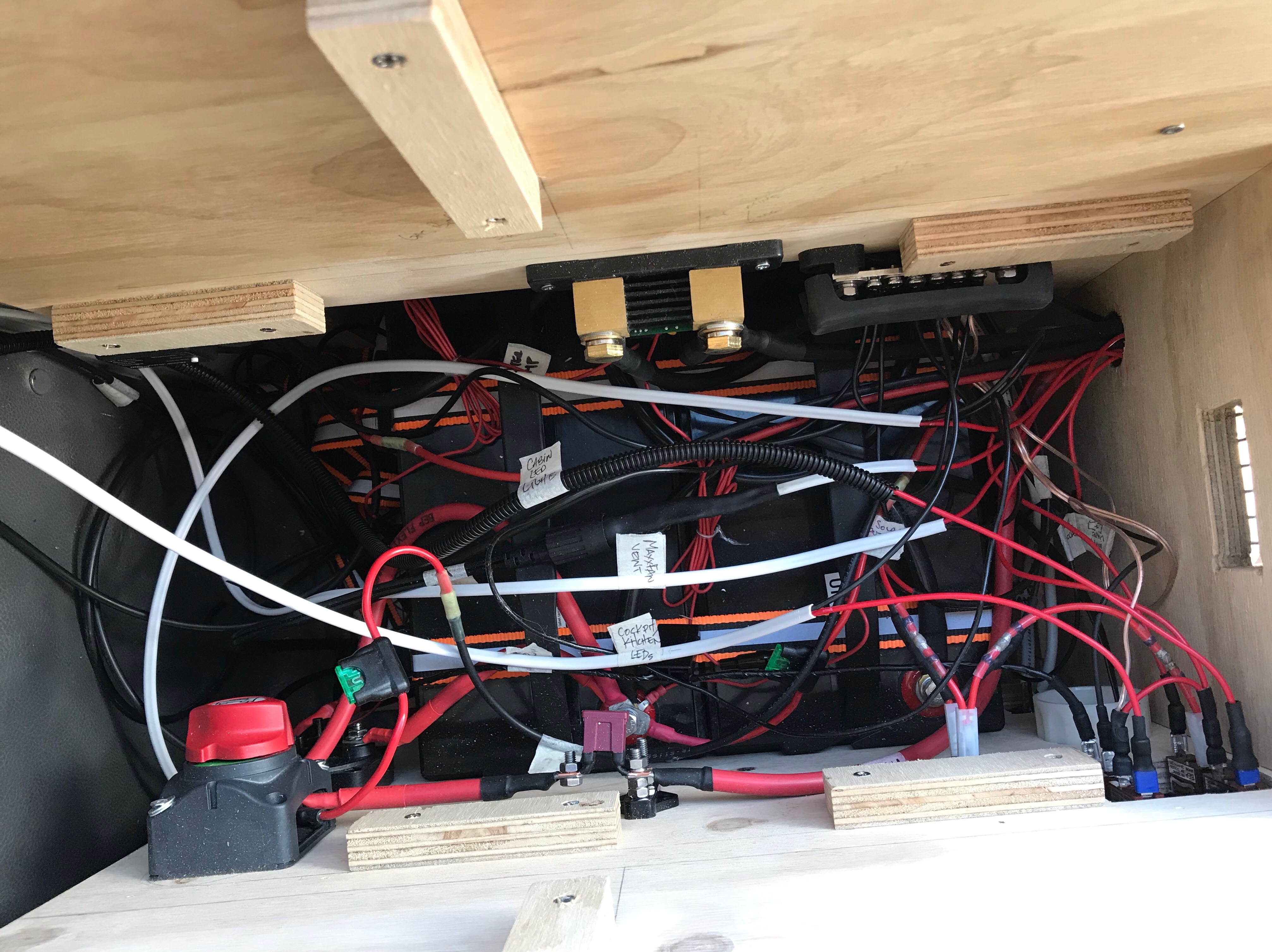
It may not seem like a lot, but my average daily generation is something around 500Wh and my peak during summer is about double that. Great for when the fan and fridge both need to hum along in order to keep up. I also became the charging hub for many of my friends, as there was more than enough solar energy to go around. It also produced enough on a daily basis, that I was never in need of plugging in at a campsite, like many others on the road. That felt really good!
 Traveling Jeff