Now, one of the biggest things which kept coming up in my online research was the necessity of proper ventilation. Digging back into my former career in energy efficiency, I knew how important ventilation was in any building, especially in bathrooms and kitchens. While this may not be a “building,” my 1.5m x 1.5m x 3m volume (6.75m3 for those of you counting) was going to be my bedroom, office, lounge, music room, kitchen, bathroom, and dining room, so proper ventilation was going to be important.
Having just one vent in the roof sounds fine. Just open a window and air will flow, right? Well, if you don’t have rain coming in sideways, that’s true. However, there are a few times when ventilation in a van is really, really necessary; when it’s really hot outside, when I’m cooking, and when it’s wet, rainy, and probably cold outside. Now, when it’s really hot, that’s easy; just open the windows, doors, trunk, everything. Luckily, I didn’t have much intrusion from sand flies, and the added insulation really reduced my interior heat gain on sunny days. The awning and intentional parking orientation played a large role too (thank you Sun Seeker.)
Now, when it’s rainy and cold, and I’m cooking dinner, there’s a serious need for ventilation, and it’s got to keep me from getting wet. I’ll save you the agony of searching for just the right vent – it’s the MaxxFan Deluxe. No need to look anywhere else. I even found a great price on mine at Vantage RV in Silverdale near Auckland. Lucky for me, it wasn’t just the best price in town, these guys KNOW their stuff. No cheap/finicky products here. Just solid products and know-how based on years of experience and a passion for the biz. If you’re in search of anything (including self-contained kits), check these guys out first.
So, I was determined to install the MaxxFan in the front of the living compartment, above where I’d be cooking, and much more central to the entire space. That left one more vent. Again, I went back and forth over the best solution, but one that Carlos (you remember him, he’s the one playing the keys in The Van Journey Home) had recommended kept coming to mind. It was the Heki. Now, I had much less roof space than him, so I opted for the Mini Heki, which is the same size as an ordinary RV roof vent/fan. This one is a passive vent, with a dual-glazed clear cover, a bug screen, and a blackout screen, all built in. You can even drive with it locked open. Now, this may be overkill, but I envisioned laying in bed out in nature, the bitter cold of a crisp winter night kept at bay by my heater, and a clear view of the stars. It took A LOT of measuring, and remeasuring, but finally, that vision became my reality.
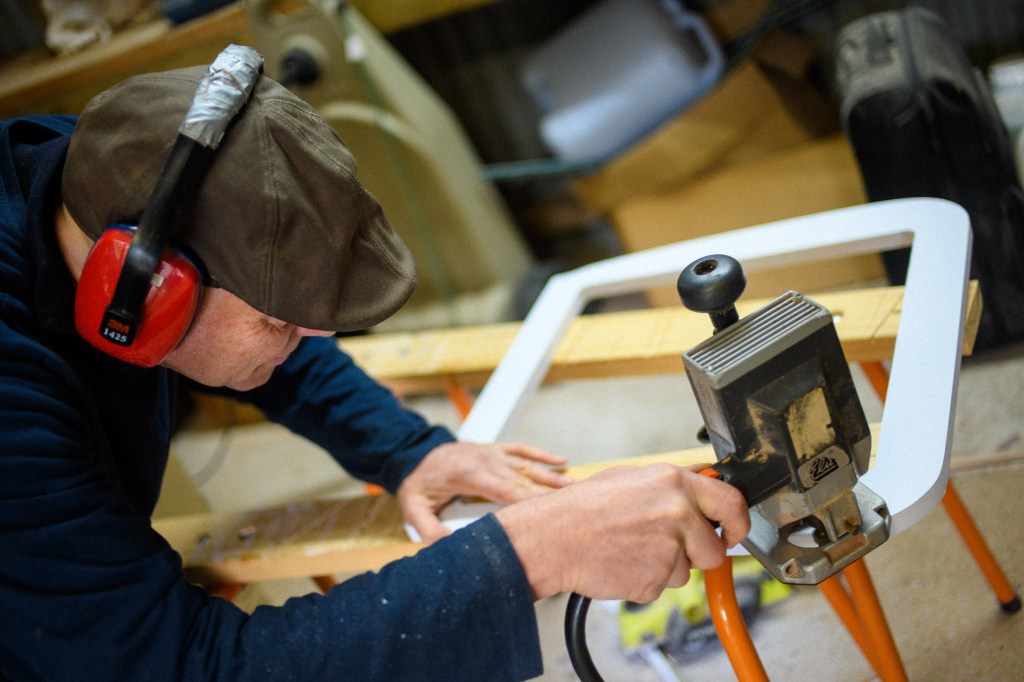
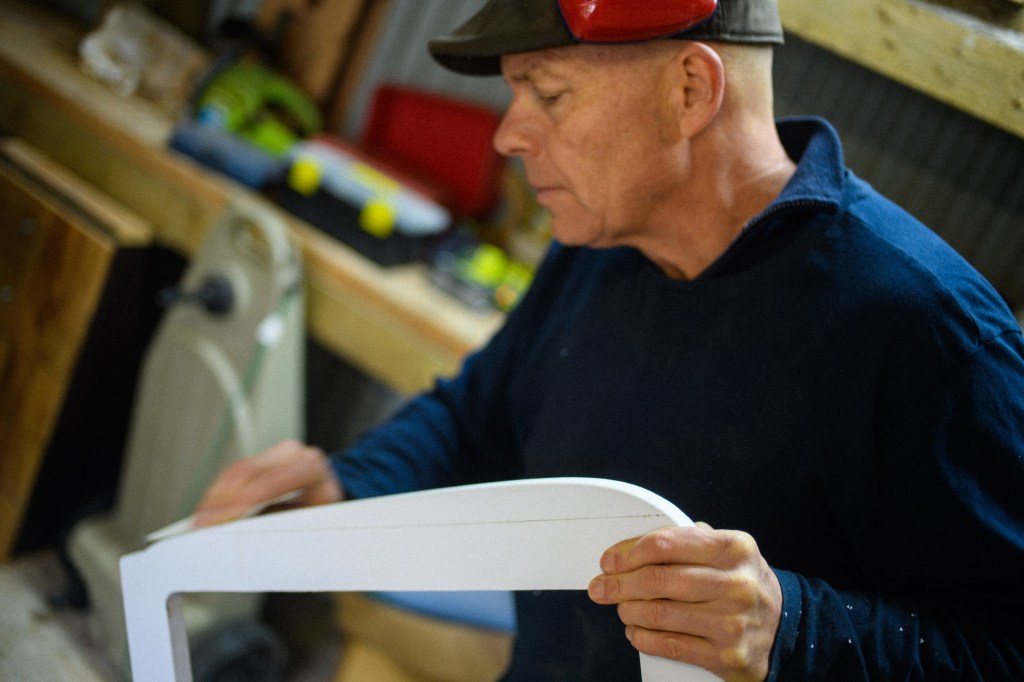
Antony shaping adapter for the Mini Heki 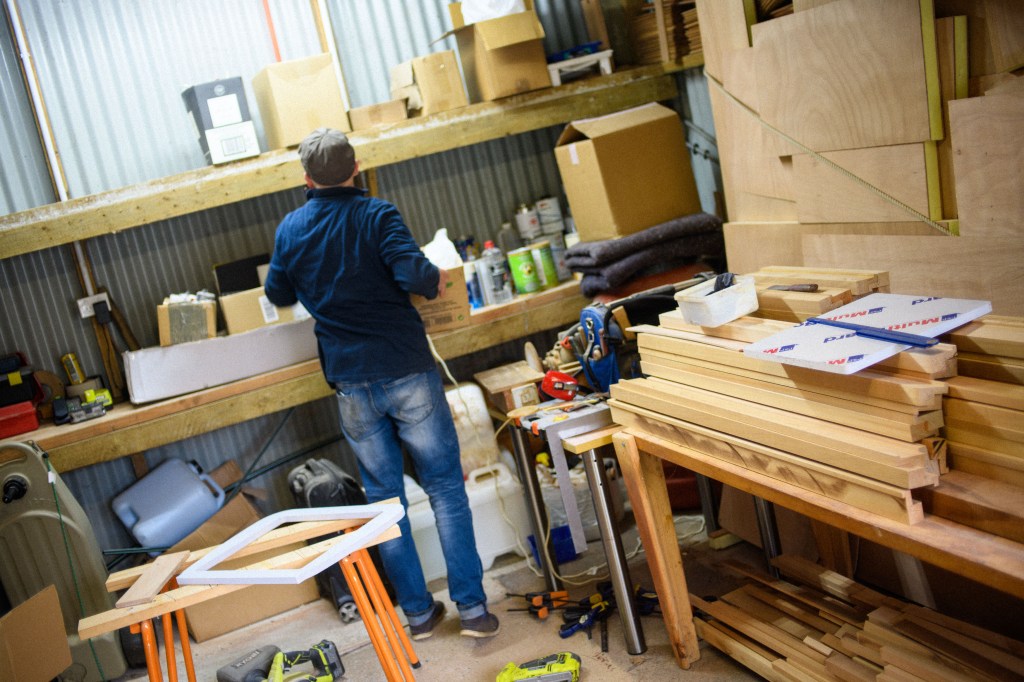
When I first began planning out my space, I saw all these wonderful videos of vans with lounging decks on their roof – perfect, I would be able to do yoga up there every morning! Now, what I failed to realize at the time was that this was on top of XL Sprinters and Transits, not the rooftop of a Toyota Hiace (which has the same roof area as my Dyna.) Sure, it’s doable. However, with my desire for ~300 Watts of solar, plus two roof vents, things were going to be tight.
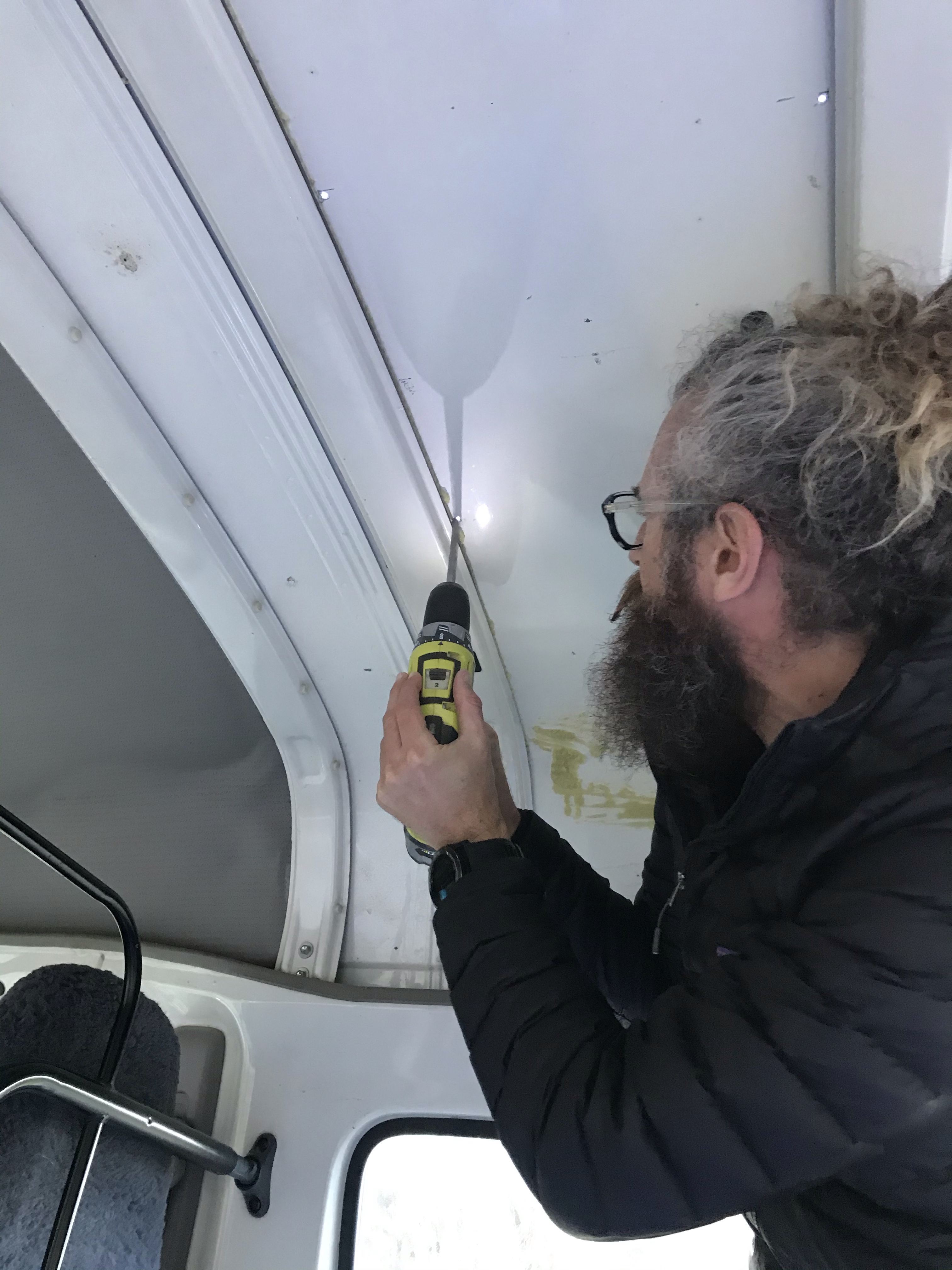
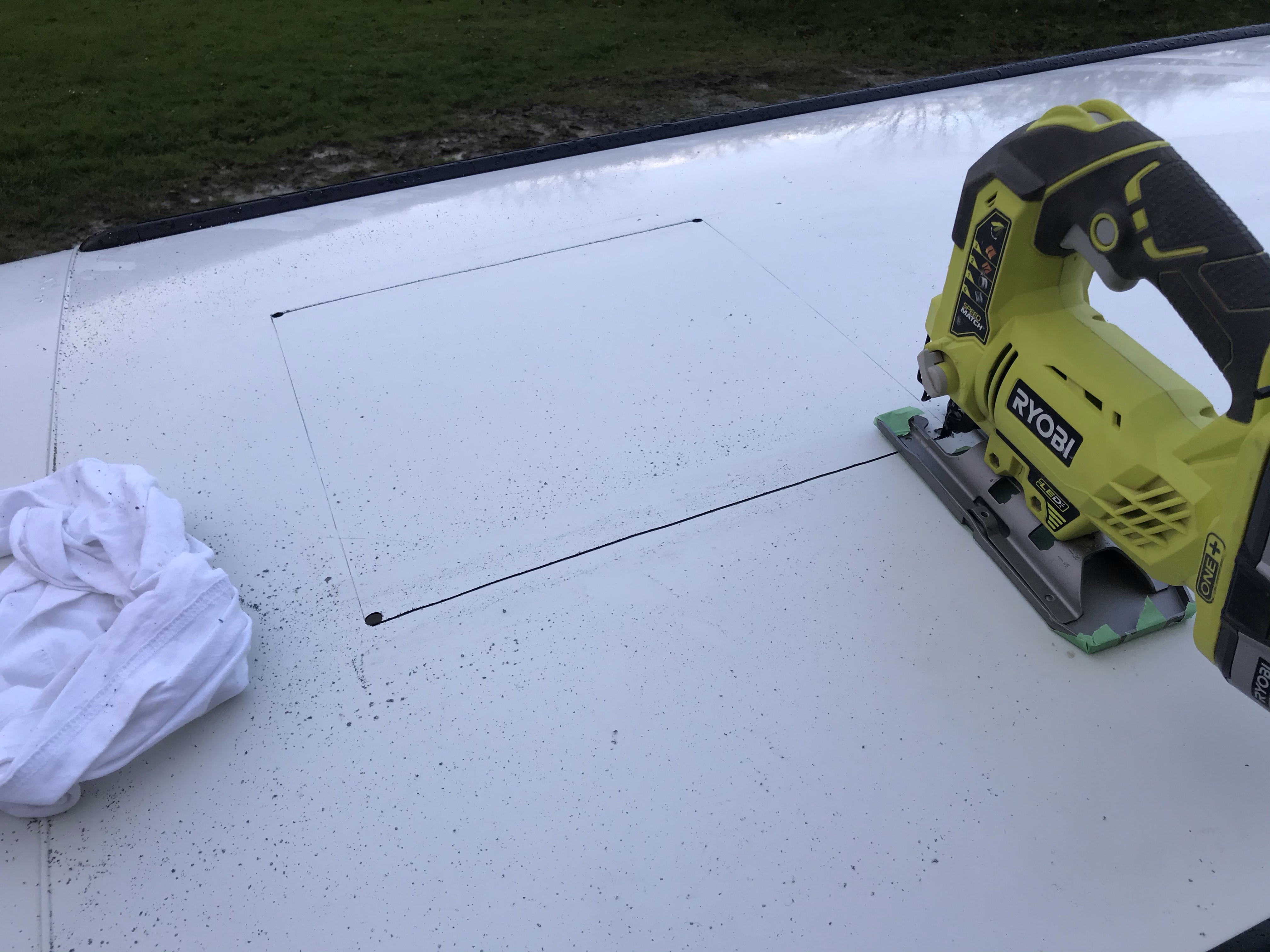
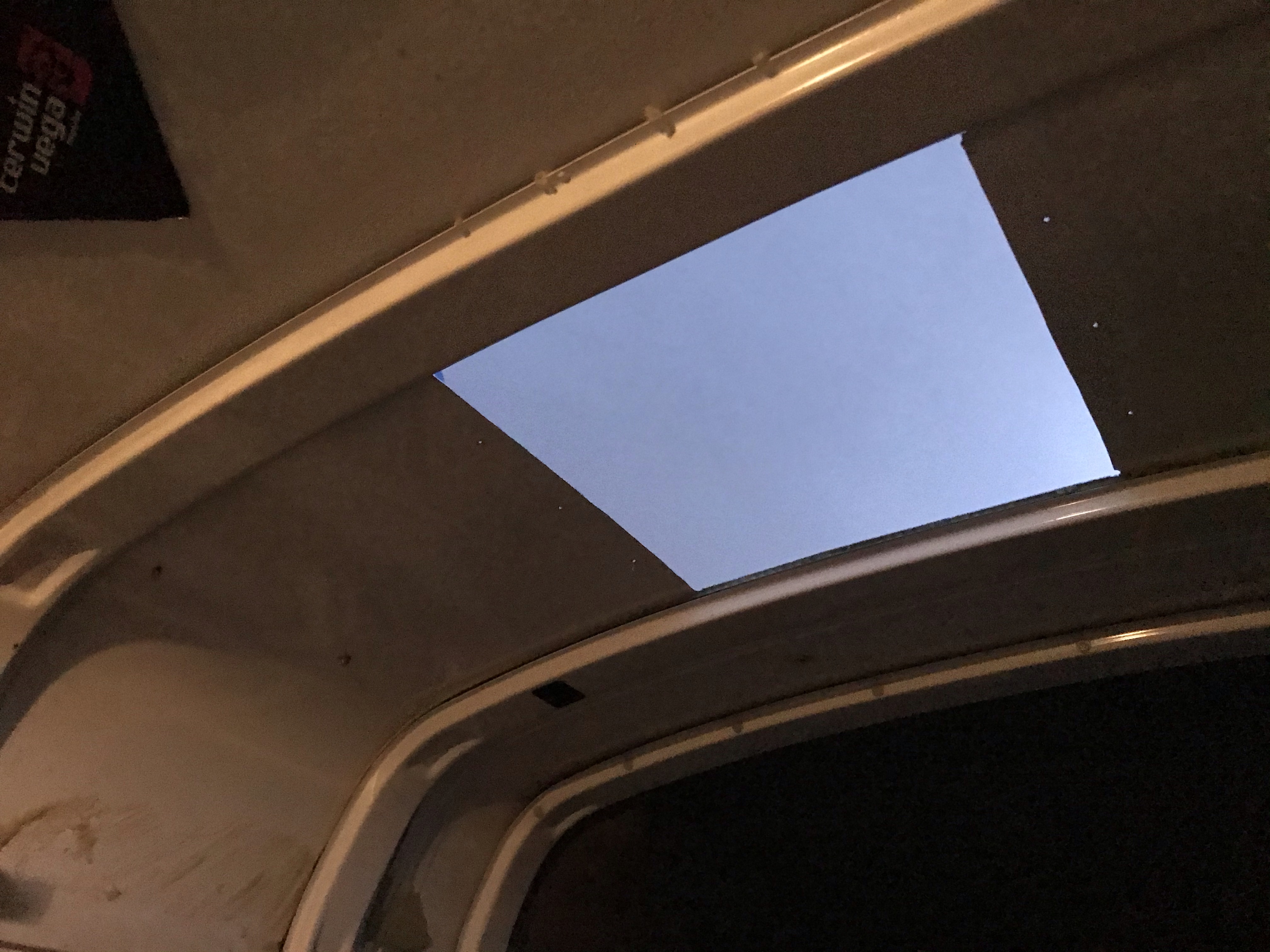
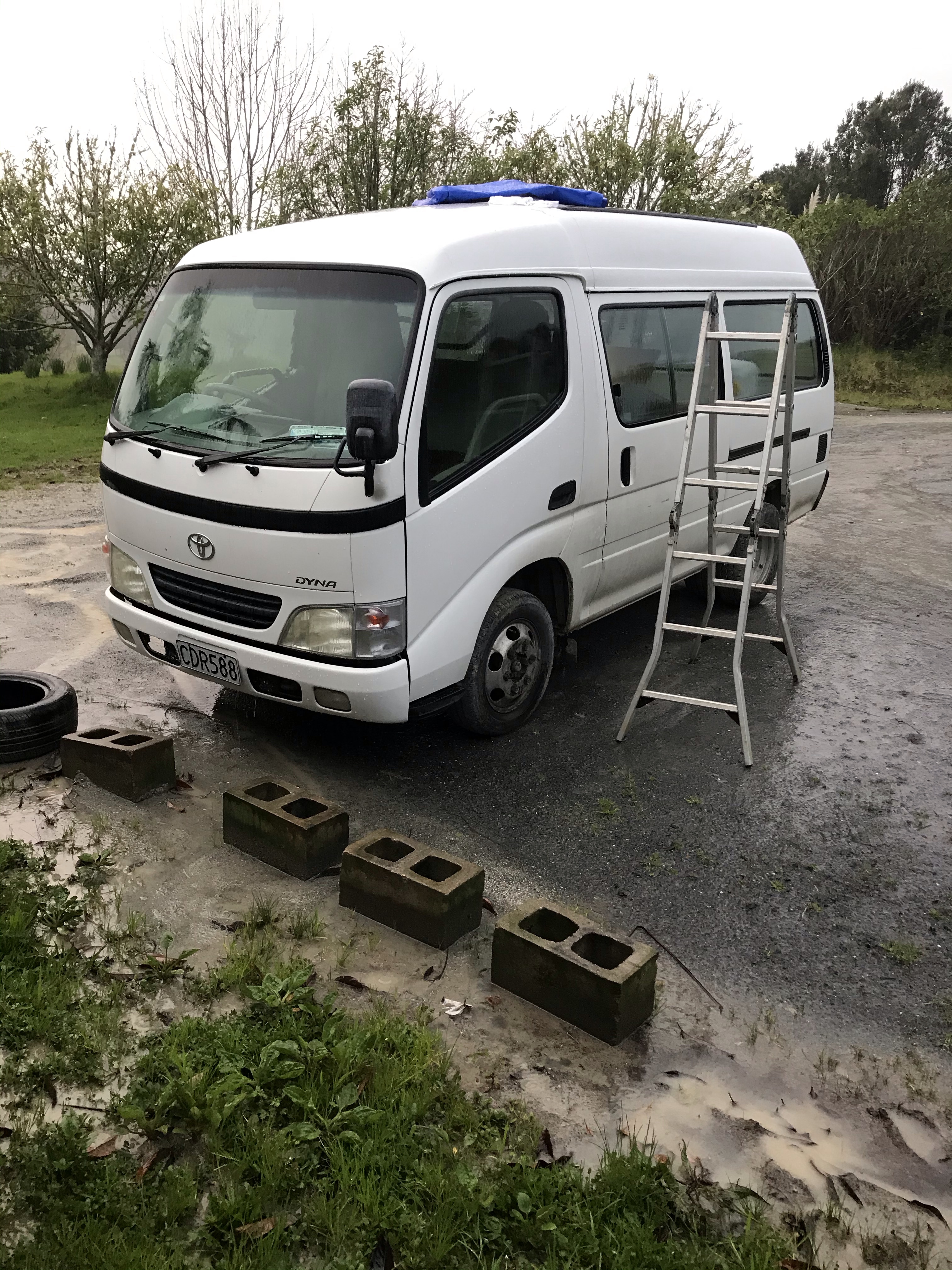
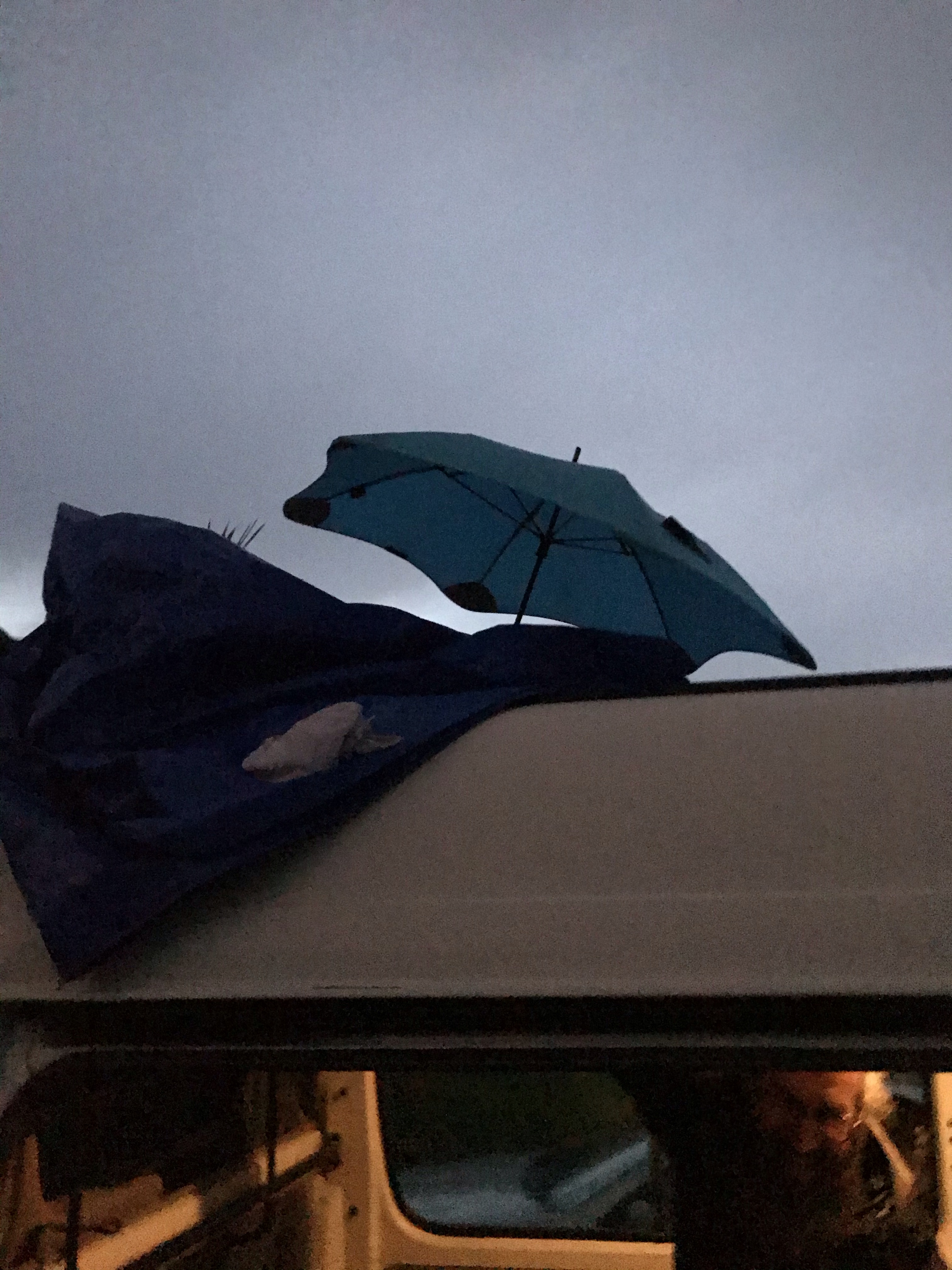
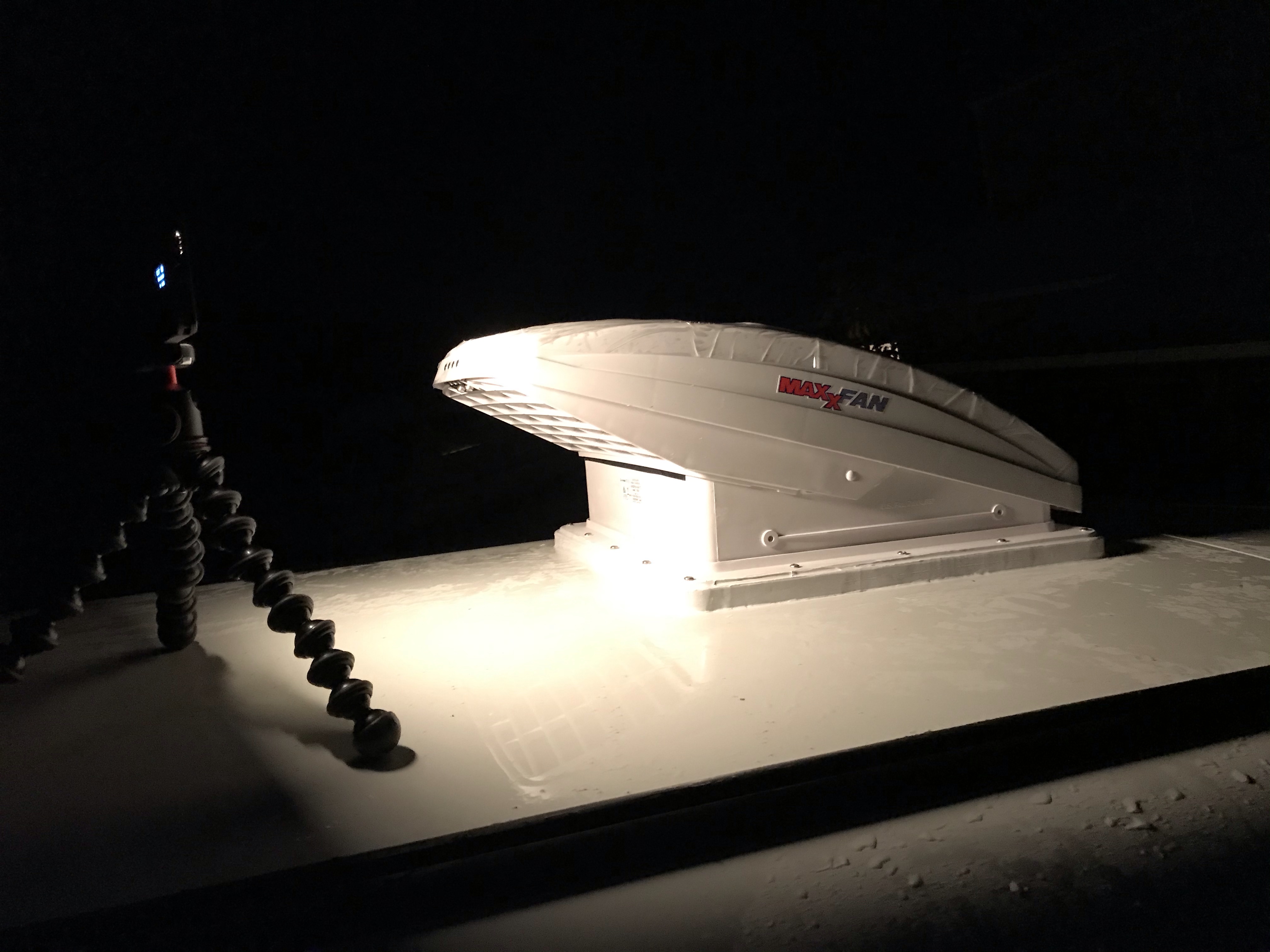
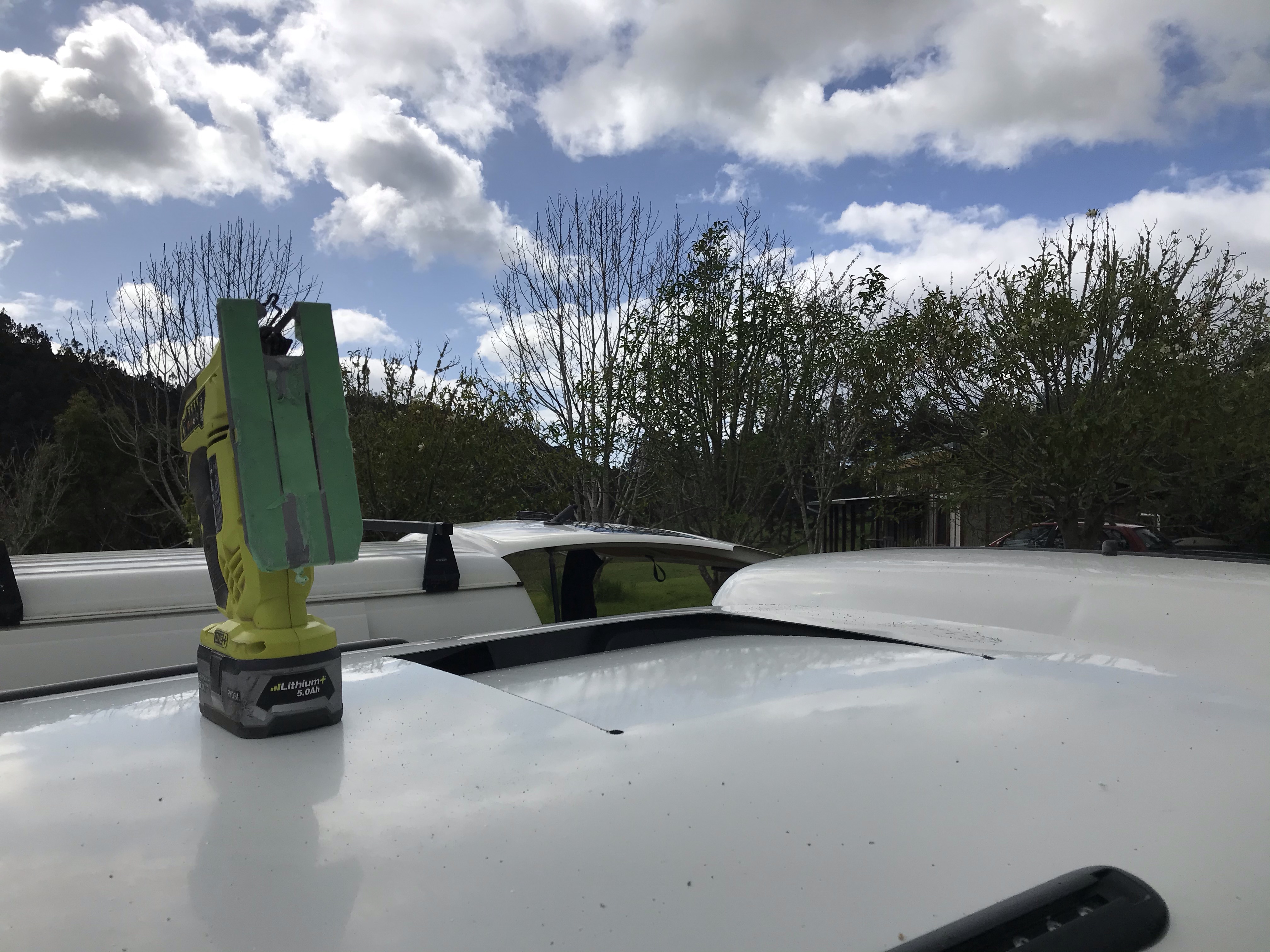
With the adapters complete and tested for fit, it was time to start cutting holes in the roof. As anyone who’s done this before can attest; it’s downright nerve-wracking the first hole you drill. Did I measure it right (I mean, I measured it at least 5 times)? Is this really where I want it? Will it even fit here between the roof ribs? Oh no, is it going to rain????!? All of these thoughts flooded through my mind. The last one, mere minutes after I’d finally cut the first square out of the roof, the skies dumped a massive spring shower on us. Luckily, I had extra tarp laying around, and kept the rain at bay. Funny enough, I left the rear vent for a later date, and somehow the same thing happened again!
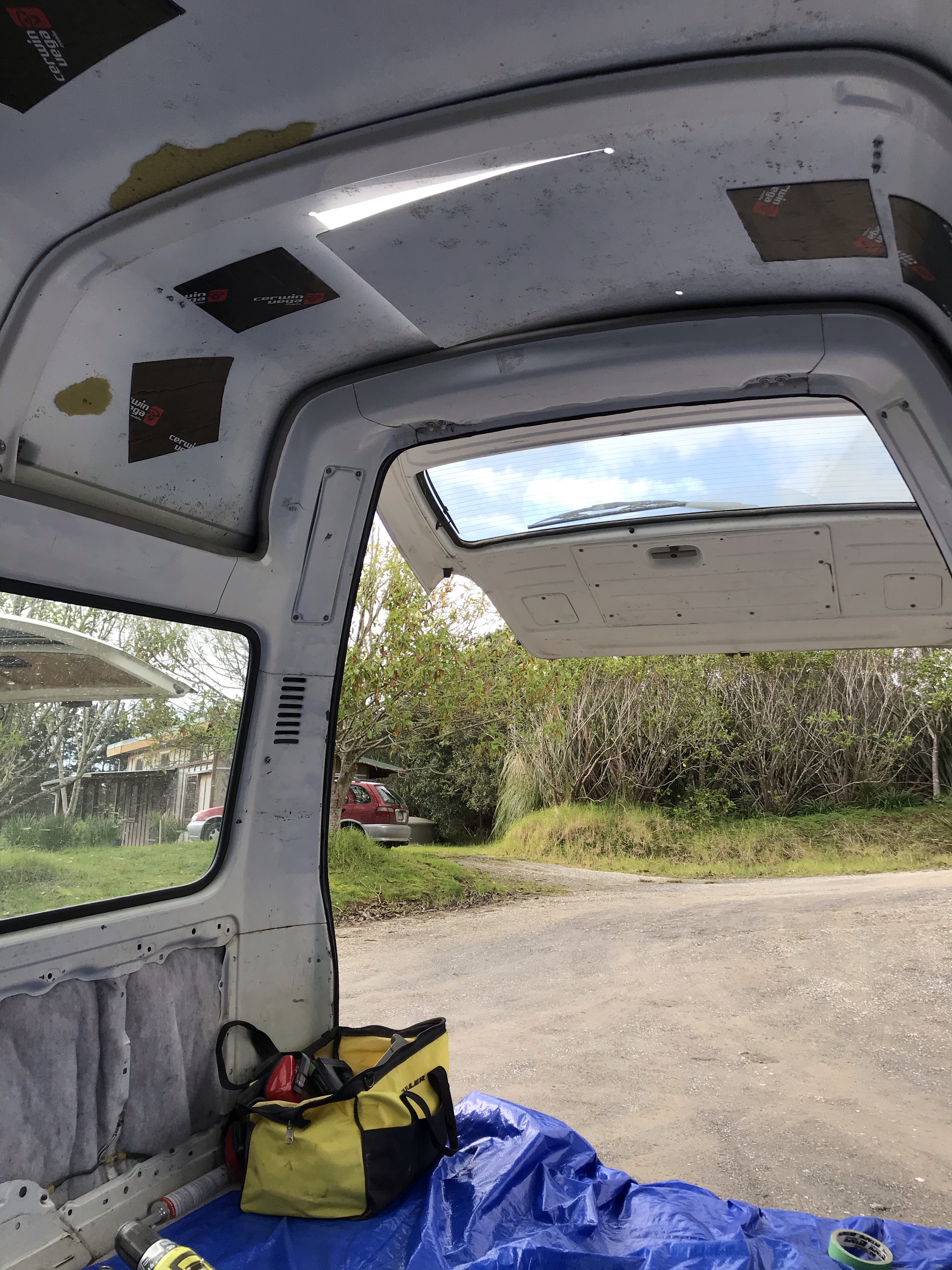
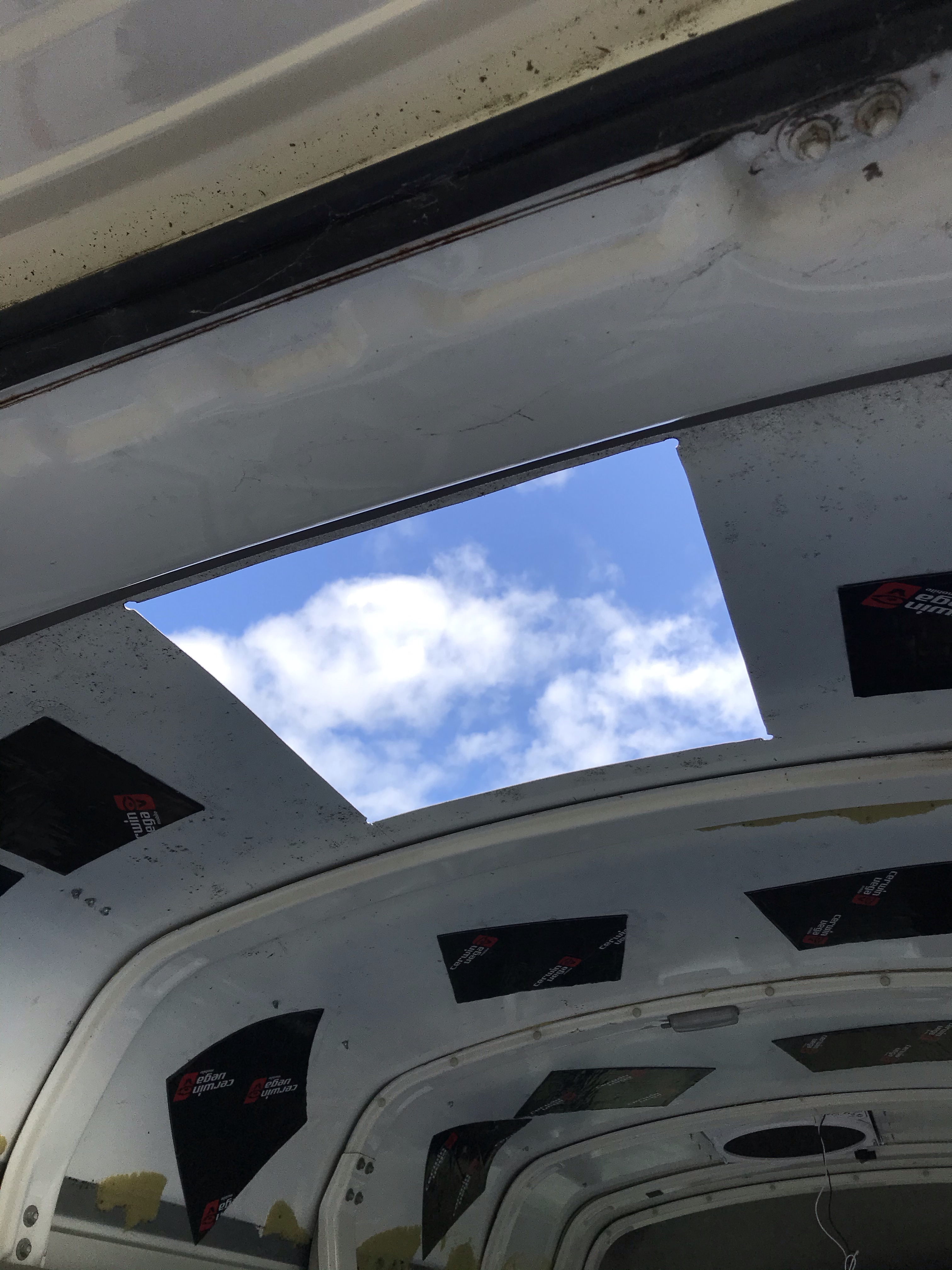
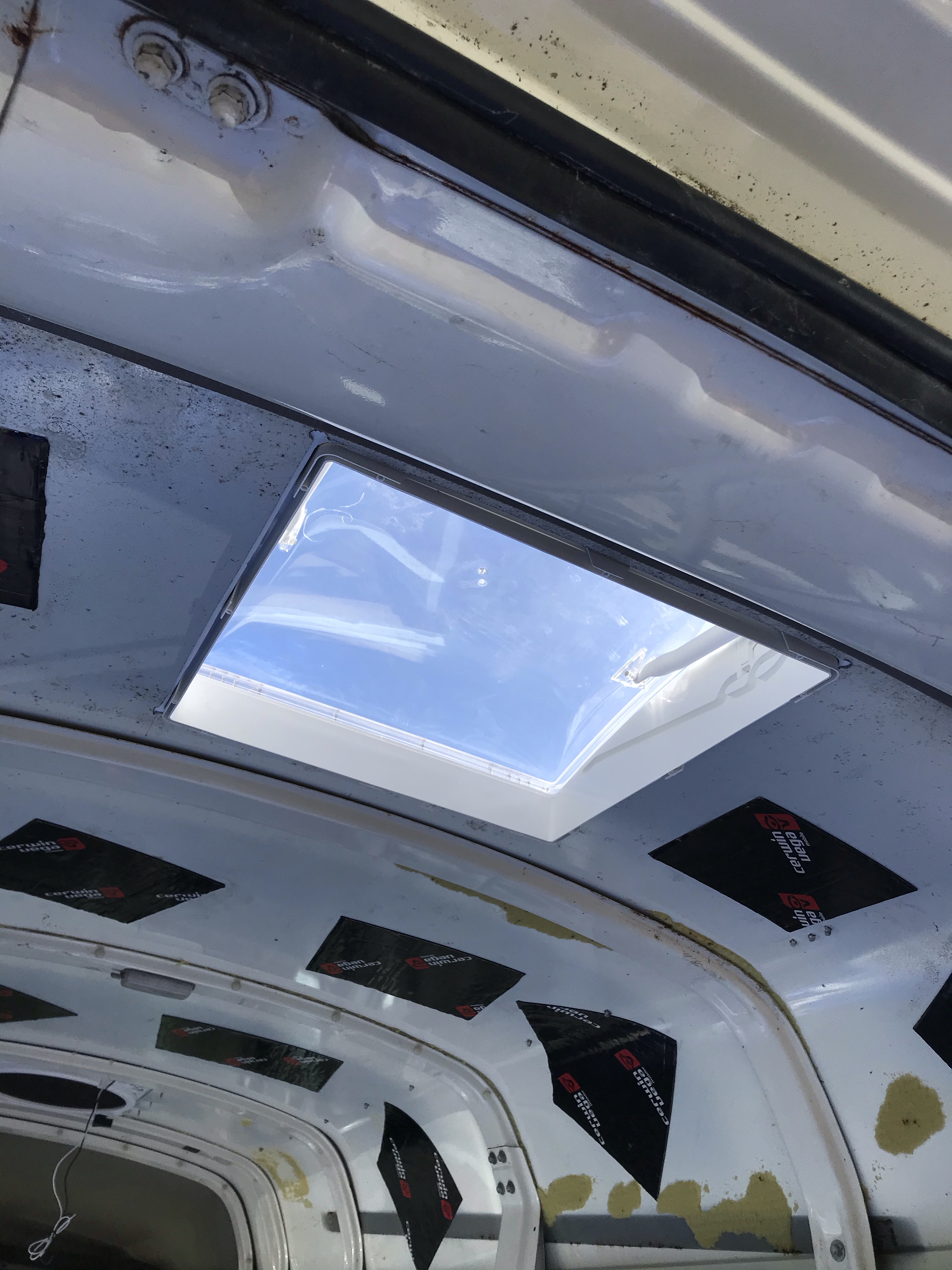
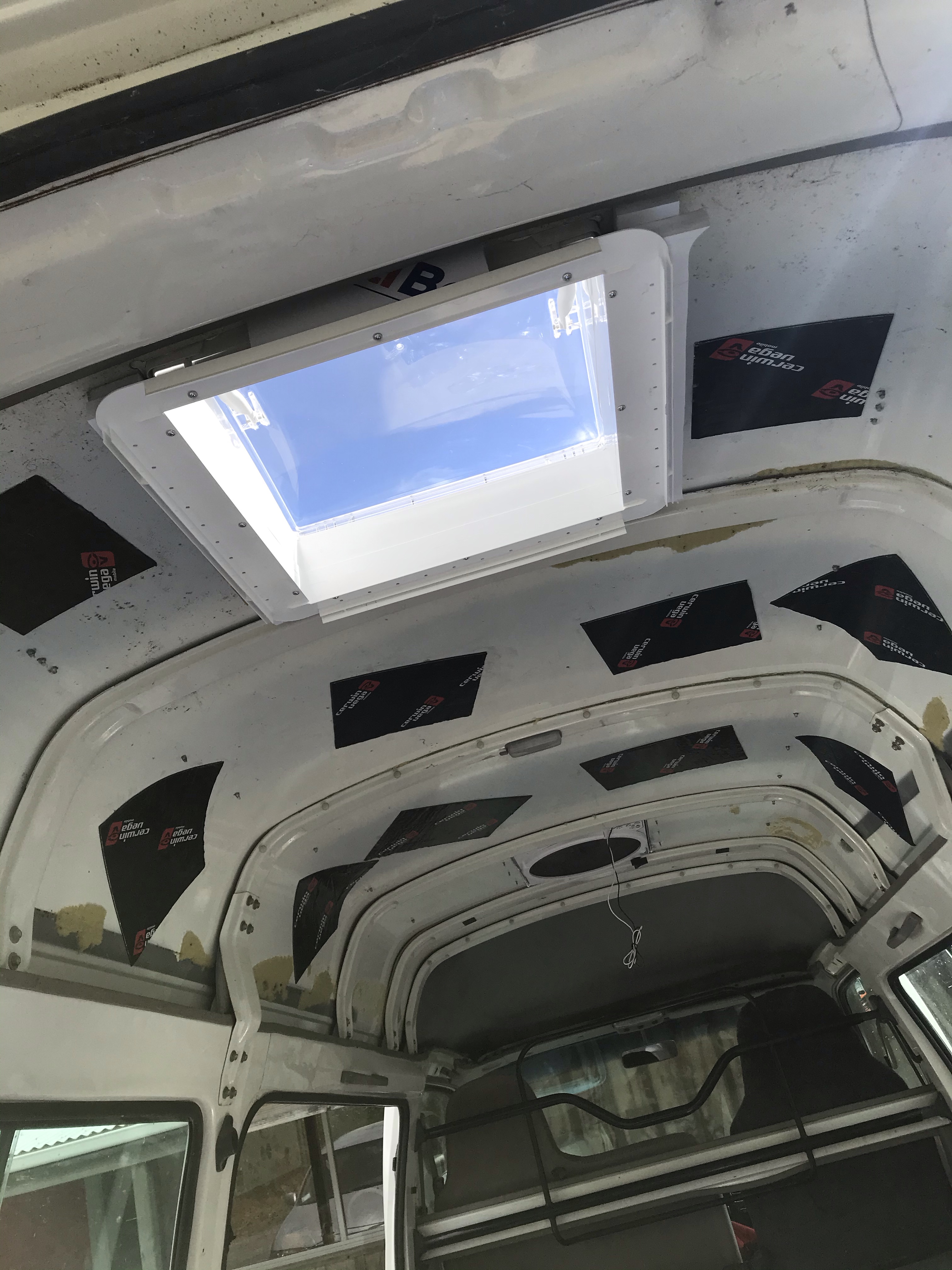
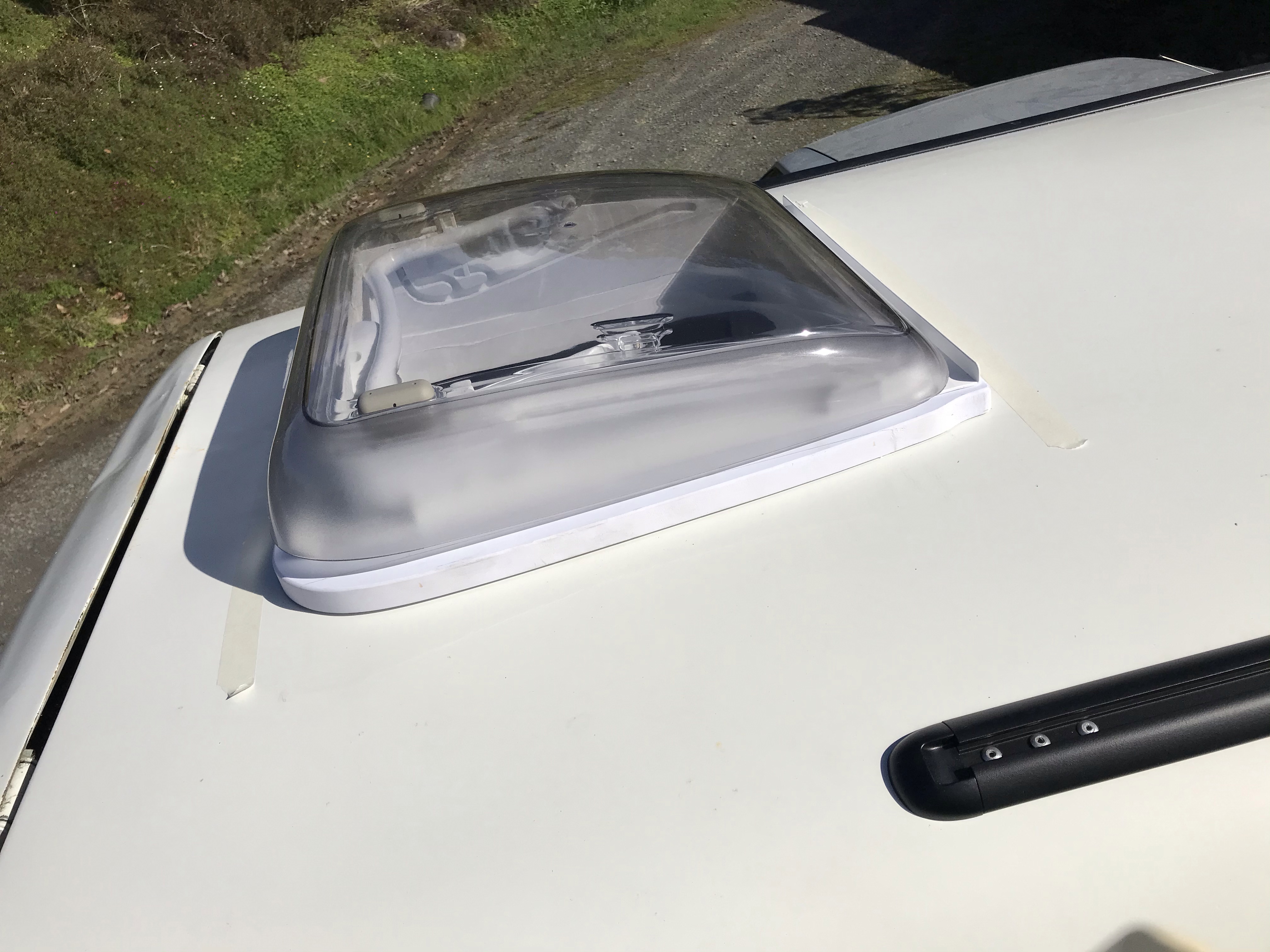
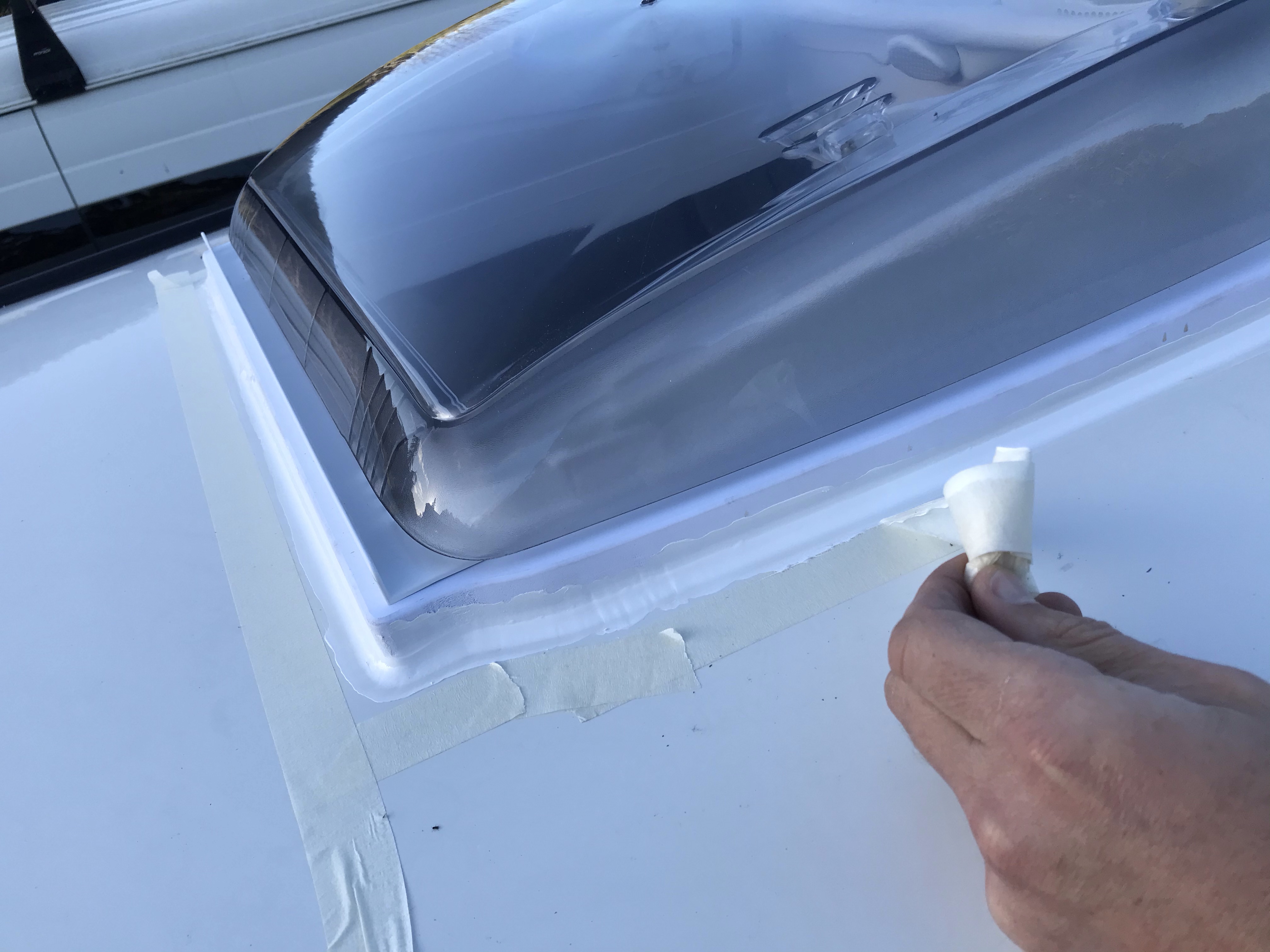
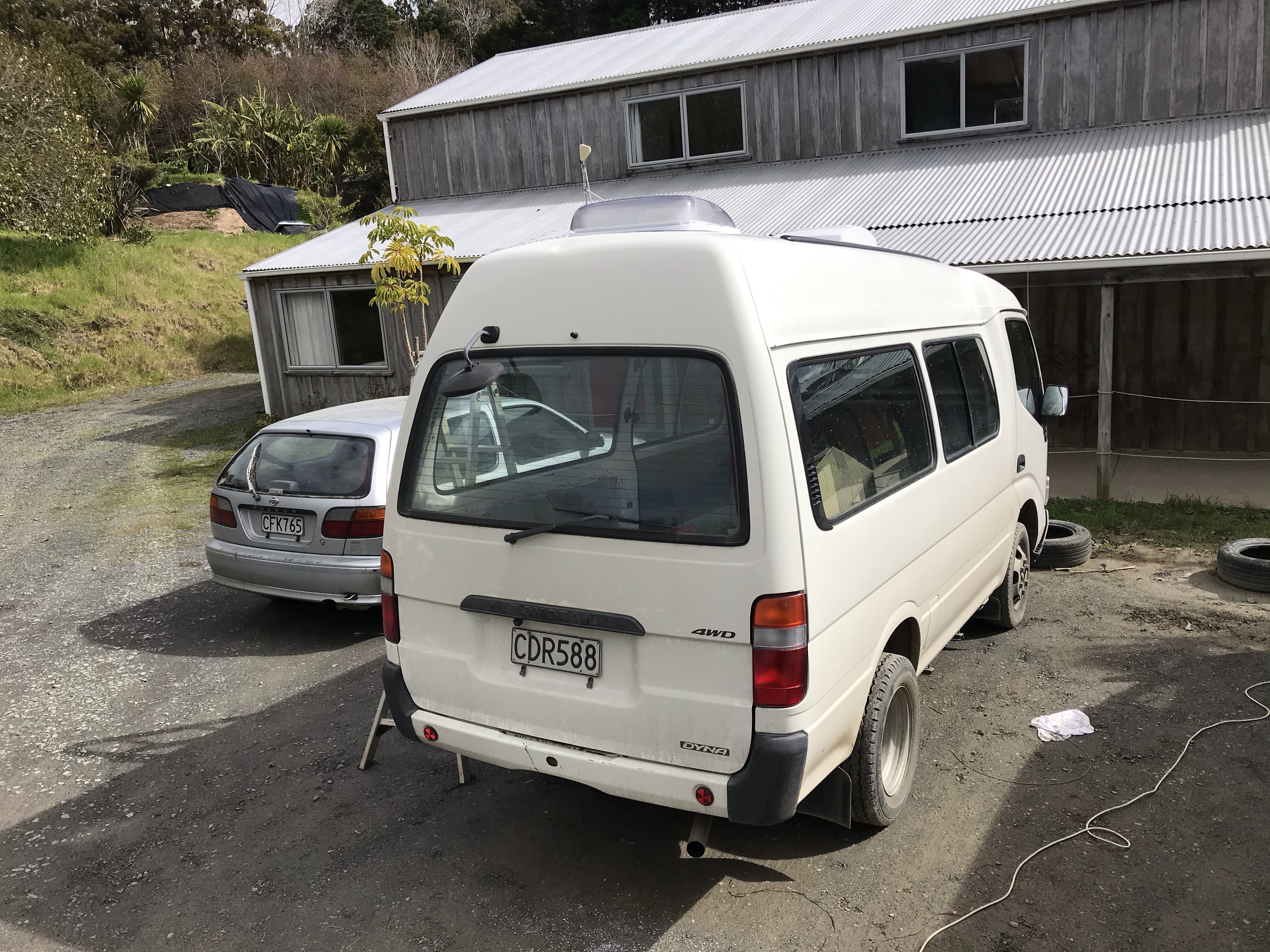

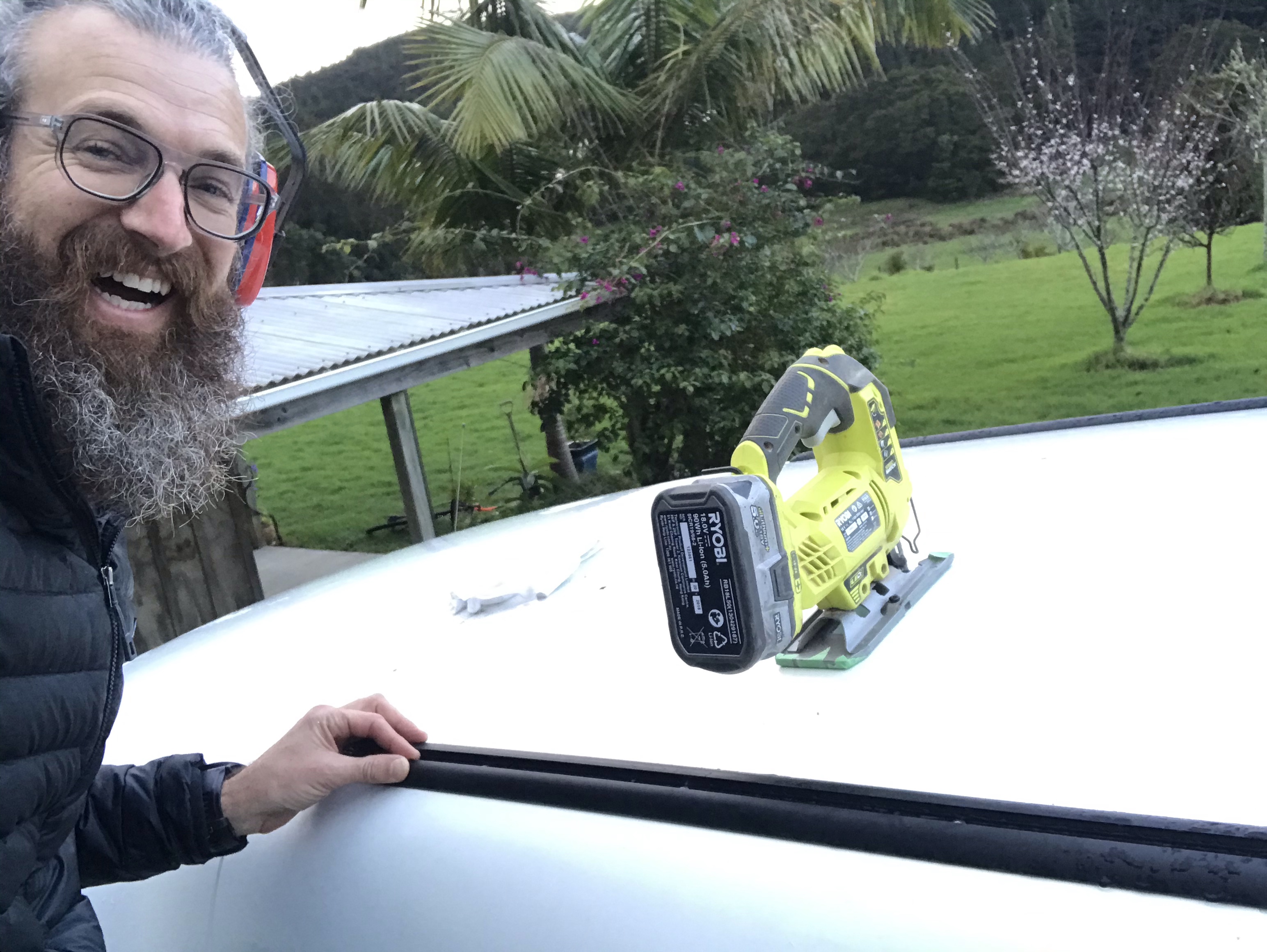
At the end of each day, the vents were installed with a generous layer of Sikaflex 291 sealing out the elements, while screws and clamps held them fast. The roofline was quickly changing from that of a wine-toting van to a proper home. The light that streamed in through the Mini Heki in the rear let me know things were going to be cozy, bright, and beautiful back there.
 Traveling Jeff